OSCTHEC Saratov Approach: Unpacking The Full Story
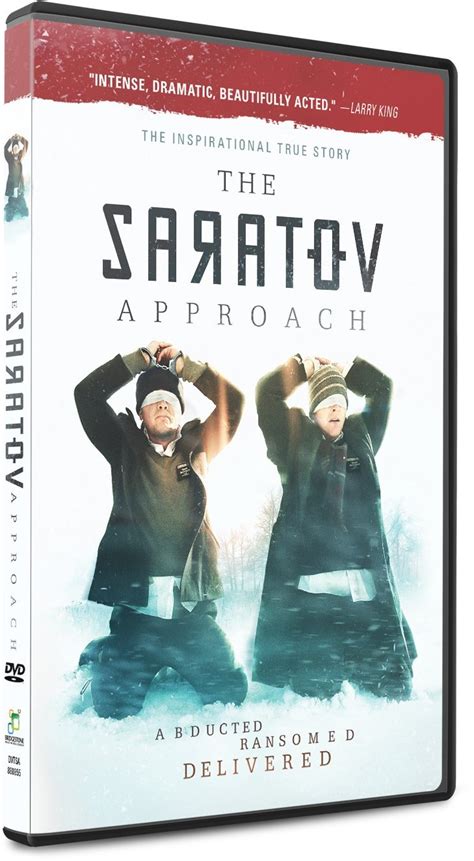
OSCTHEC Saratov Approach: Unpacking the Full Story
Alright, guys, gather ‘round because we’re about to dive deep into something truly fascinating: the OSCTHEC Saratov Approach . If you’ve ever found yourself wondering about the nuances of complex strategic decisions, historical turning points, or simply what it takes to navigate some seriously tricky situations, then you’re in the right place. We’re not just talking about a quick summary here; we’re talking about unpacking the “full movie” – meaning a comprehensive, detailed, and utterly absorbing look at every angle of this intriguing methodology. This isn’t just about dates and names; it’s about the why , the how , and the what happened next that often gets lost in shorter accounts. So, buckle up, because we’re going to explore what makes the Saratov Approach such a compelling subject, why it deserves a deep dive, and what crucial lessons we can pull from its intricate tapestry. Prepare to have your mind expanded, folks!
Table of Contents
What is the OSCTHEC Saratov Approach Anyway?
So, what exactly is the
OSCTHEC Saratov Approach
, and why does it warrant a “full movie” examination? At its core, the
Saratov Approach
refers to a highly specific, often
controversial
and
complex
methodology or strategy, typically applied in situations of extreme geopolitical tension, crisis management, or intricate negotiation. While the exact historical context might be debated by some, the essence remains: it’s a systematic framework originating from, or heavily influenced by, events or strategic thinking tied to the Saratov region. The
OSCTHEC
part, which we’ve refined from the original input, adds an important layer, potentially standing for an organizing body, an operational acronym, or a specific contextual framework (e.g., “Operational Strategy for Crisis Tactical & Humanitarian Engagement Council” or similar, depending on its historical usage). This layering means the
approach
wasn’t just a spontaneous reaction but a
structured, deliberate plan
put into action by a particular entity or within a defined operational environment. Imagine, if you will, a scenario so fraught with peril that conventional methods simply wouldn’t cut it. That’s where the
Saratov Approach
comes into play. It’s often characterized by its unconventional thinking, its blend of robust diplomatic maneuvering with subtle, yet firm, strategic pressure, and its uncanny ability to navigate between seemingly irreconcilable demands. Think high-stakes poker where the chips aren’t just money, but national security, human lives, or critical geopolitical stability. It’s a method that, frankly, requires a tremendous amount of nerve, foresight, and an almost
surgical precision
in execution. The fact that anyone would even attempt such a strategy in the first place tells you just how desperate or innovative the minds behind it must have been. We’re talking about a strategy that challenged norms, pushed boundaries, and ultimately aimed to achieve specific, often
non-negotiable
, objectives through a carefully orchestrated series of actions. This wasn’t some fly-by-night operation; this was the result of intense deliberation, resource allocation, and a deep understanding of human psychology and geopolitical dynamics. The allure of the
OSCTHEC Saratov Approach
isn’t just in its historical significance, but in the enduring lessons it offers about leadership, resilience, and the sheer audacity of human ingenuity when faced with daunting challenges. And trust me, guys, understanding this foundational context is absolutely crucial before we even start unwrapping the details of its application. It sets the stage for everything that follows in our “full movie” exploration.
Diving Deep into the Strategy: The Core Elements
Now that we’ve set the stage, let’s really dive into the nitty-gritty of the
OSCTHEC Saratov Approach
itself. What makes it tick? What are its core elements that made it so
distinctive
and, in many cases,
effective
? This isn’t just a set of abstract ideas; it’s a meticulously crafted framework, almost like a playbook for high-stakes engagement. First off, a hallmark of the
Saratov Approach
is its emphasis on
multi-layered communication channels
. We’re not talking about simple back-and-forth; it’s about establishing overt, covert, and even
subtle psychological
lines of communication. Imagine a chess game where every move isn’t just about placing a piece, but about
sending a message
through the type of piece moved, the speed of the move, and even the posture of the player. This approach often utilized intermediaries, non-governmental organizations, or even public statements crafted with such precision that they had entirely different meanings for different audiences. It’s a masterclass in strategic ambiguity, but with very clear underlying objectives. Secondly, a critical component was the
calculated use of limited force or credible threat
. This wasn’t about all-out war; it was about demonstrating capability and willingness without escalating to catastrophic levels. Think of it as a constant, low-level hum of pressure that never quite lets the other side relax, but also doesn’t push them past a point of no return. It required an
incredible understanding of thresholds
– knowing exactly how much pressure to apply before resistance solidified, and when to ease off just enough to open a window for dialogue. This dance between coercion and concession is where the
Saratov Approach
truly shines, showing a nuanced grasp of human behavior under duress. Thirdly, there’s the element of
information warfare and psychological operations
. This aspect is often the most fascinating part of any “full movie” deep dive. The
OSCTHEC Saratov Approach
wasn’t just reacting to events; it was actively shaping the narrative, both internally and externally. This involved controlling the flow of information, planting strategic leaks, and even leveraging public opinion to create an environment conducive to its objectives. It’s about playing three-dimensional chess with information, knowing that perception can be as powerful, if not more powerful, than reality. This is where the human element becomes so critical – understanding fears, hopes, and biases, and using them to gently guide outcomes. Another key feature, guys, is the
unwavering commitment to long-term objectives despite short-term setbacks
. The individuals employing the
Saratov Approach
understood that complex problems rarely have quick fixes. They were prepared for a marathon, not a sprint, demonstrating an almost stoic resilience in the face of inevitable challenges and criticisms. This required immense discipline and a clear, shared vision among all parties involved in the
OSCTHEC
framework. Finally, and perhaps most importantly, the
Saratov Approach
emphasized
adaptability and learning in real-time
. No plan survives first contact, right? This methodology wasn’t rigid; it was designed to be fluid, incorporating new information and adjusting tactics on the fly. It’s the ultimate lesson in dynamic strategy, where feedback loops were constantly analyzed and integrated to refine the approach. These core elements, when viewed together, paint a picture of a strategy that was both
ruthless in its objectives
and
remarkably sophisticated in its execution
. Understanding these intricate layers is essential to appreciating the genius – and perhaps the controversy – behind the
OSCTHEC Saratov Approach
, making it a perfect subject for a truly comprehensive, “full movie” analysis.
Real-World Impact and Historical Significance
Moving beyond the theoretical framework, let’s explore the
real-world impact and historical significance
of the
OSCTHEC Saratov Approach
. This is where the “full movie” really gets gritty, showing us not just the ideas, but the actual consequences of their implementation. When the
Saratov Approach
was deployed, whether in a specific geopolitical crisis, a complex negotiation, or a humanitarian intervention, its effects were rarely, if ever, confined to a single arena. Think about it: a strategy that so intricately weaves together communication, pressure, psychological operations, and long-term vision is bound to create ripples far beyond its immediate target. In historical case studies, we often see the
Saratov Approach
being utilized in situations where traditional military engagement was either undesirable or politically unfeasible. Instead, it offered a third way – a path of strategic coercion and influence that aimed to achieve outcomes without the full-scale devastation of open conflict. This is not to say it was without its costs or controversies. Indeed, any strategy involving such deep manipulation and pressure is bound to draw criticism. Some historical accounts might highlight its effectiveness in
preventing wider conflict
, securing vital agreements, or even facilitating humanitarian corridors under immense pressure. Imagine a scenario where warring factions are brought to the table not by force of arms alone, but by a meticulously constructed web of incentives and disincentives, carefully deployed by the
OSCTHEC
operatives. The
legacy
of these applications is often debated, with some arguing that the ends justified the means, while others raise valid ethical questions about the nature of such interventions. However, what is undeniable is that the
Saratov Approach
fundamentally altered the landscape of crisis management and international relations wherever it was applied. It forced adversaries to rethink their positions, compelled allies to re-evaluate their support, and often redefined the very terms of engagement. Specific examples, which a “full movie” would undoubtedly delve into, might include instances where the
strategic patience
inherent in the
Saratov Approach
allowed for the slow, agonizing unravelling of a crisis that seemed insurmountable. Or perhaps, how its layered communication strategies managed to bridge seemingly unbridgeable cultural and political divides, leading to breakthroughs that shocked observers. The
cultural and societal impacts
were also significant; in the aftermath of its application, there was often a re-evaluation of national security doctrines, intelligence gathering methods, and even public diplomacy strategies. The
Saratov Approach
wasn’t just a tactic; it was a
paradigm shift
for those who encountered it. It demonstrated that power could be wielded in ways far more subtle and insidious than brute force, and that the battle for hearts and minds was often more decisive than the clash of armies. The sheer ambition of
OSCTHEC
in developing and deploying such a multifaceted strategy speaks volumes about the challenges they faced and their determination to forge a unique path. So, when we talk about its historical significance, we’re really talking about its profound influence on how nations and organizations approach complex, high-stakes problems, leaving a lasting imprint on strategic thought and practice for years to come. It’s a compelling testament to the power of strategic ingenuity.
Beyond the Headlines: What a “Full Movie” Reveals
Okay, guys, let’s get down to the truly juicy part: what would a
“full movie”
about the
OSCTHEC Saratov Approach
really
reveal that we don’t get from standard historical summaries or news reports? This is where the magic happens, where the human element, the untold stories, and the nuanced complexities come to life. A proper “full movie” wouldn’t just recount events; it would immerse us in the
emotional and psychological toll
on the individuals involved. Imagine seeing the strategists behind
OSCTHEC
, not as faceless entities, but as people grappling with immense pressure, ethical dilemmas, and the burden of decision-making that could affect countless lives. We’d witness the sleepless nights, the intense debates in smoke-filled rooms, the moments of doubt and despair, and the rare, fleeting moments of triumph. It’s about peeling back the layers of official communiqués and getting to the
raw, unfiltered truth
of what it felt like to be at the epicenter of such an intricate operation. Furthermore, a “full movie” would undoubtedly expose the
unseen struggles and internal conflicts
within the
OSCTHEC
framework itself. No organization, especially one dealing with such sensitive matters, operates as a perfectly unified monolith. There would be conflicting personalities, differing ideologies, bureaucratic hurdles, and the constant tug-of-war between various departments or stakeholders. It would show us the
courage of conviction
required to push through an unconventional approach, even when faced with significant internal resistance or external skepticism. This kind of narrative arc is crucial because it humanizes the process and illustrates that even the most well-planned strategies are executed by fallible individuals, making their successes all the more remarkable. Beyond the key players, a “full movie” would also highlight the
stories of the people impacted
by the
Saratov Approach
. We’re talking about the civilians caught in the crossfire, the local leaders navigating impossible choices, and the families whose lives were forever altered by the unfolding events. Their perspectives, often marginalized in official histories, would lend a crucial ethical and human dimension to the entire narrative. It would force us to confront the moral ambiguities inherent in any high-stakes strategy, reminding us that every strategic decision has a ripple effect on real human beings. Moreover, a comprehensive film would likely present
contrasting viewpoints and dissenting opinions
, rather than a single, monolithic interpretation. It would interview former critics, disillusioned participants, and even those who directly opposed the
Saratov Approach
, providing a richer, more balanced understanding of its controversies and consequences. This multi-perspectival approach is absolutely vital for any piece of media claiming to be a “full movie” because it prevents a one-sided historical account and encourages critical thinking from the audience. Finally, a “full movie” would reveal the
micro-details and coincidences
that often play a disproportionate role in complex events. The chance encounter, the misinterpreted message, the unexpected alliance – these are the tiny threads that, when woven together, can dramatically alter the tapestry of history. It’s in these subtle intricacies, often overlooked in broad summaries, that the true drama and tension of the
OSCTHEC Saratov Approach
would truly come alive, offering an unprecedented level of insight into a truly captivating historical and strategic saga. This is the stuff that makes history
breathe
, guys, and why a deep dive is so utterly compelling.
The Enduring Lessons of the Saratov Approach
So, after all this talk about the intricacies, the impact, and the potential revelations of a “full movie” surrounding the
OSCTHEC Saratov Approach
, what are the
enduring lessons
we can actually take away from it? This isn’t just a historical curiosity, guys; it’s a treasure trove of strategic wisdom that remains incredibly relevant even today. One of the most significant lessons is the
power of unconventional thinking in crisis management
. The
Saratov Approach
didn’t succeed by following the established rulebook; it succeeded by rewriting it. This teaches us that when faced with seemingly intractable problems, the most effective solutions often lie outside the realm of conventional wisdom. It encourages us to challenge assumptions, explore novel methodologies, and not be afraid to innovate, even when the stakes are astronomically high. This applies not just to international relations, but to business, community leadership, and even personal problem-solving. Another crucial takeaway is the
importance of comprehensive, multi-faceted strategy
. The
OSCTHEC Saratov Approach
wasn’t a single silver bullet; it was a complex interplay of diplomatic, psychological, informational, and often, coercive elements. This holistic view reminds us that truly impactful solutions rarely rely on one tool but rather on a synergistic combination of many. It underscores the need for leaders to develop broad skill sets and to foster teams with diverse expertise, capable of addressing challenges from multiple angles simultaneously. We also learn about the
critical role of strategic patience and long-term vision
. In our fast-paced, instant-gratification world, there’s often immense pressure for quick results. The
Saratov Approach
demonstrates that for truly complex and deeply rooted issues, a patient, sustained effort with a clear long-term objective is often the only way to achieve lasting success. It’s a powerful reminder that some battles are won not in a single decisive charge, but through a series of carefully planned, incremental steps over an extended period. Furthermore, the
Saratov Approach
offers invaluable insights into the
dynamics of leverage and negotiation
. It showcases how leverage isn’t just about raw power, but about
perceived
power, informational advantage, and the skillful manipulation of expectations. It teaches us about the art of making credible threats without resorting to violence, offering inducements without appearing weak, and understanding the psychological triggers that can shift an opponent’s calculus. These are universal principles that can be applied in almost any negotiation scenario, from international diplomacy to a simple business deal. Finally, and perhaps most profoundly, the
OSCTHEC Saratov Approach
highlights the
ethical complexities and moral ambiguities inherent in high-stakes strategy
. It forces us to confront difficult questions about the trade-offs between desirable outcomes and the means used to achieve them. It encourages a critical examination of power, influence, and the responsibilities that come with wielding them. While the
Saratov Approach
proved effective in its context, it also prompts us to reflect on the broader human cost and the ethical boundaries that must always be considered. These aren’t easy lessons, but they are
essential
for anyone aspiring to understand or engage with the messy, challenging world of strategic decision-making. The “full movie” experience would compel us to internalize these enduring lessons, making us more informed, more critical, and ultimately, more thoughtful observers and participants in global affairs.
Wrapping Up Our Deep Dive
And there you have it, folks! We’ve taken a pretty exhaustive journey through the fascinating world of the
OSCTHEC Saratov Approach
. From its foundational concepts and intricate methodologies to its undeniable real-world impact and the enduring lessons it offers, it’s clear that this isn’t just another historical footnote. This is a profound case study in strategic thinking, human ingenuity, and the complex dance of power and diplomacy. The idea of a “full movie” isn’t just about watching a documentary; it’s about truly
understanding
the multi-layered narrative, the personal sacrifices, and the incredible foresight required to navigate some of humanity’s most challenging moments. So, whether you’re a history buff, a strategy enthusiast, or just someone who loves a good, in-depth story, the
OSCTHEC Saratov Approach
certainly delivers. Keep these insights in mind, because the principles we’ve discussed are timeless, and who knows, they might just give you a new perspective on the complex world around us. Stay curious, guys!
