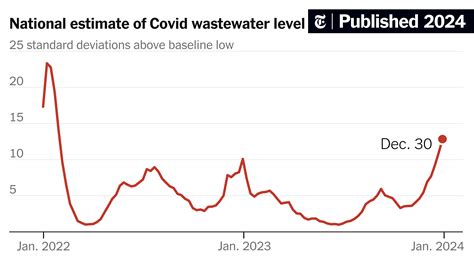
COVID-19 Update: Navigating the Pandemic in Late 2022Guys, remember those early days of the pandemic? It feels like ages ago, right? Well, as we hit
late 2022
, specifically around November, the world was still very much navigating the ongoing challenges of COVID-19, but with a significantly different landscape. We weren’t in the same state of emergency as before, thanks to widespread vaccination and evolving understanding of the virus, yet the fight was far from over. This period was all about balancing vigilance with a return to some semblance of normalcy, understanding that the virus had become an entrenched part of our lives, albeit one we were learning to manage. This article is going to dive deep into the
global COVID-19 situation
as it stood in
November 2022
, covering everything from the prevalent variants and the continuing importance of vaccination efforts to the enduring mystery of Long COVID and what our collective future with this virus might look like. We’ll explore how different parts of the world were coping, the scientific advancements that were shaping our response, and the personal journeys of millions affected. Get ready for a candid look at the evolving pandemic, offering valuable insights into how we were all learning to coexist with this formidable foe, and the lessons we continue to carry forward.## The Global COVID-19 Landscape in Late 2022Alright, let’s talk about the
global COVID-19 landscape
in
late 2022
. By November of that year, the picture was incredibly varied and complex, reflecting a world grappling with a virus that had settled into a new, more persistent phase. We weren’t seeing the same universal lockdowns and acute panic as in 2020 or 2021, but the virus was still very much a significant public health concern. Many countries, particularly those with high vaccination rates and robust healthcare systems, had shifted towards living with the virus, treating it more like other respiratory illnesses. This meant fewer restrictions, more open borders, and a greater emphasis on individual risk assessment. However, this shift wasn’t uniform across the globe. We saw pockets where
COVID-19 outbreaks
were still causing considerable strain, especially in regions with lower vaccine access or less developed public health infrastructure. The overall
COVID-19 trends
in
November 2022
indicated a fluctuating pattern of cases, hospitalizations, and deaths, heavily influenced by localized variant prevalence and seasonal factors. For example, some parts of Europe and North America were bracing for potential winter waves, while other regions might have been experiencing a lull. The
economic impacts
of the pandemic were still being felt, guys, with supply chain issues and labor shortages continuing to affect various sectors, although the initial shocks had largely subsided. Businesses and industries had largely adapted, implementing new safety protocols and flexible work arrangements. Socially, there was a strong desire for a return to pre-pandemic activities, with large gatherings, travel, and cultural events making a significant comeback. Yet, underlying all this was a persistent awareness of the virus, with many individuals still choosing to wear masks in crowded settings or taking extra precautions, especially those who were immunocompromised or living with vulnerable family members. The
global COVID-19 response
in
November 2022
was a patchwork of strategies: some nations maintained rigorous testing and tracing, while others had largely scaled back, focusing instead on protecting hospitals from being overwhelmed. It was a fascinating, often frustrating, period where the world was collectively learning to balance public health imperatives with economic and social recovery. This dynamic situation required constant adaptation from governments, health organizations, and us, the general public. Understanding these diverse experiences is crucial to grasping the true state of the pandemic at that time, and how different societies were navigating this ‘new normal.’ It wasn’t just about the numbers anymore; it was about the lived experience of adaptation and resilience across continents.## The Persistent Challenge of New VariantsWhen we talk about
COVID-19 in late 2022
, one of the most significant and
persistent challenges
was undoubtedly the continuous emergence and dominance of
new variants
. Guys, it felt like just when we thought we had a handle on one version of the virus, another would pop up, ready to throw a wrench in our plans. By
November 2022
, the Omicron lineage was still king, but it wasn’t just one variant anymore; it was a complex family tree of sub-variants, each with its own characteristics. We were seeing particular concern around variants like
BQ.1 and BQ.1.1
, which were gaining traction in many parts of the world, and there was also discussion around the emergence of
XBB
. What made these
new COVID-19 strains
particularly challenging was their ability to further
evade existing immunity
, whether from previous infection or vaccination. This meant that even if you had been vaccinated or had COVID-19 before, you could still get infected with these newer versions, though vaccination generally still offered strong protection against severe disease, hospitalization, and death. Scientists were working tirelessly, often in a race against time, to track these
variant mutations
through
genomic surveillance
. This global effort was absolutely crucial for understanding how the virus was evolving and for predicting its next moves. Each new variant presented its own set of questions: Was it more transmissible? Did it cause more severe illness? How effective were our current vaccines and treatments against it? The answers to these questions directly informed
public health strategies
, influencing everything from travel advisories to the timing of booster campaigns. For instance, the rise of a highly transmissible variant might lead to renewed calls for masking or increased testing. Governments and health organizations were constantly analyzing data to determine the potential impact of these
COVID-19 variants
on healthcare systems and the wider population. This constant evolution meant that the fight against COVID-19 was never static; it was a dynamic battle requiring continuous adaptation and scientific innovation. It underscored the importance of ongoing research into
vaccine development
and
antiviral treatments
to ensure we had tools that could keep pace with the virus. Understanding these
variant dynamics
is key to appreciating the complex nature of the pandemic in
late 2022
and why vigilance remained a crucial aspect of our collective response. The virus was always evolving, and so too did our strategies to combat it, making it a truly fascinating, if sometimes terrifying, scientific endeavor.## Vaccination Efforts and Evolving ProtectionLet’s shift gears and talk about one of our biggest weapons against COVID-19:
vaccination efforts
and the incredible story of
evolving protection
. Guys, by
late 2022
, the landscape of vaccine availability and strategy had evolved significantly from the initial rollout. We weren’t just talking about primary doses anymore; the conversation had moved squarely to
booster shots
and, critically, the introduction of
updated COVID-19 vaccines
, specifically the bivalent boosters. These newer vaccines were designed to target not only the original SARS-CoV-2 strain but also the Omicron variants, which were, as we just discussed, the dominant players by
November 2022
. This was a game-changer because it offered broader and more specific protection against the circulating strains. The
global vaccination campaign
had made remarkable progress, with billions of doses administered worldwide, fundamentally altering the trajectory of the pandemic. Vaccination significantly reduced the risk of severe illness, hospitalization, and death, even against newer variants. This was a consistent message from health authorities: getting vaccinated and boosted was your best bet for staying out of the hospital. However, despite these advancements, challenges remained.
Vaccine equity
was still a pressing issue, with many lower-income countries struggling to access sufficient doses or effectively distribute them to their populations. This disparity meant that while some regions were debating fourth or fifth doses, others were still working to get basic primary series coverage. This global imbalance highlighted the ongoing need for international cooperation and resource sharing to truly end the pandemic everywhere. Furthermore, there was an ongoing effort to combat
vaccine misinformation
, which unfortunately continued to sow doubt and reduce uptake in some communities. Public health campaigns focused on educating people about the benefits and safety of vaccines, using clear, understandable language to build trust. The scientific community also continued its vigorous
research into vaccine effectiveness
, constantly monitoring how well the vaccines held up against new variants and for how long. This data-driven approach allowed for timely recommendations regarding booster schedules and targeted campaigns. The development of
nasal vaccines
and other novel delivery methods was also being explored, promising potentially better protection against infection and easier administration in the future. In
November 2022
, the message was clear: maintaining high vaccination rates and encouraging uptake of updated boosters was crucial for protecting individuals and healthcare systems, especially heading into the colder months when respiratory viruses typically surge. It was a testament to human ingenuity and global collaboration that we had such powerful tools at our disposal, but effectively deploying them remained a complex, ongoing endeavor.## Understanding Long COVID: A Lingering ConcernLet’s talk about something that became a really significant and often
heartbreaking concern
by
late 2022
:
Long COVID
, or as scientists often call it,
Post-Acute Sequelae of COVID-19 (PASC)
. Guys, this isn’t just about a lingering cough or feeling tired for a week or two after an infection. This is a complex, multi-system condition that can affect people for
months or even years
after their initial bout with the virus, regardless of how mild or severe their initial illness was. By
November 2022
, the scale of this problem was becoming clearer, and it was a stark reminder that simply surviving COVID-19 wasn’t always the end of the story. The
symptoms of Long COVID
are incredibly diverse, making it particularly challenging to diagnose and treat. We’re talking about persistent fatigue that isn’t relieved by rest, brain fog that makes it hard to concentrate, shortness of breath, heart palpitations, chronic pain, digestive issues, and even mental health problems like anxiety and depression. It’s not a single disease, but a syndrome with a wide array of manifestations, impacting virtually every organ system. The
impact of Long COVID
on individuals’ lives is profound. Many people found themselves unable to return to work or school, their daily routines severely disrupted. Their quality of life plummeted, and they often faced skepticism or a lack of understanding from those around them, including some in the medical community still learning about the condition. This led to significant mental and emotional strain, adding another layer of suffering. One of the major challenges in
diagnosing and treating Long COVID
in
late 2022
was the absence of a definitive diagnostic test or a universally effective treatment. Doctors relied on a process of elimination and symptom management, often referring patients to specialists for different issues. The good news is that
research efforts
into
Long COVID
were intensifying during this period. Scientists were trying to understand the underlying mechanisms, exploring theories ranging from persistent viral reservoirs in the body, autoimmune responses, or microclots. This research was absolutely vital for developing effective therapies. Support groups and patient advocacy networks also played a crucial role, providing a space for individuals to share experiences and find solidarity. Public health bodies began to acknowledge Long COVID as a significant public health issue, establishing clinics and allocating funding for research. It served as a powerful reminder that while we were eager to move past the acute phase of the pandemic, the long-term health consequences were a reality that couldn’t be ignored. Understanding and addressing Long COVID became an essential part of our ongoing response to the pandemic, highlighting the need for compassionate care and continued scientific investigation to help those suffering from its debilitating effects.## Looking Ahead: Living with COVID-19 in a Post-Pandemic WorldOkay, so we’ve covered where we were, but what about
looking ahead
? By
late 2022
, the conversation was very much shifting towards
living with COVID-19 in a ‘post-pandemic’ world
. Now, let’s be super clear, guys, ‘post-pandemic’ doesn’t mean the virus is gone. Far from it! It meant that the global health emergency phase was gradually giving way to a more sustained management strategy, where COVID-19 was increasingly being treated as an
endemic disease
, similar to influenza or other common respiratory viruses. This shift was largely driven by higher levels of population immunity from vaccination and prior infection, and the availability of effective treatments. The focus wasn’t just on stopping every single infection, but on preventing severe illness, hospitalization, and death, while minimizing disruption to daily life. What might
future COVID-19 strategies
look like? We were already seeing the groundwork being laid for continued vigilance and
public health preparedness
. This includes ongoing
genomic surveillance
to track new variants, just like we discussed earlier. It’s crucial for monitoring the virus’s evolution and making informed decisions. We’re also likely to see annual or biannual
COVID-19 booster campaigns
, similar to flu shots, especially for vulnerable populations. These updated vaccines will continue to adapt to the circulating strains, offering targeted protection. The development of
improved therapeutics
, such as more accessible and effective antiviral medications, will also play a huge role in managing infections and reducing severe outcomes. Beyond medical interventions, there’s a strong emphasis on
individual responsibility
. This means empowering people to make informed decisions about their own health and risk, which might include choosing to wear masks in crowded settings, practicing good hand hygiene, and staying home when sick. Public health messaging will likely continue to evolve, moving towards guidance that helps individuals understand and mitigate their personal risk. Governments and health organizations will also continue to invest in strengthening
healthcare systems
to ensure they can handle future surges, without being overwhelmed. This includes maintaining adequate hospital capacity, staffing, and supplies. Furthermore,
scientific research
won’t stop. We’ll continue to learn more about the virus, Long COVID, and how to develop even better vaccines and treatments. The lessons learned during the initial pandemic will inform our response to future health crises, improving our agility and preparedness. Ultimately,
living with COVID-19
means accepting its presence, managing its risks, and adapting our behaviors and public health systems to minimize its impact. It’s a journey of continuous learning and adaptation, ensuring we’re always ready for whatever the virus throws our way, but doing so with a sense of informed resilience rather than perpetual fear.The journey through the COVID-19 pandemic in
late 2022
truly highlighted our collective resilience and the incredible power of scientific innovation. From navigating the complexities of new variants and expanding global vaccination efforts to confronting the long-term challenges of Long COVID, we’ve seen how dynamic and ever-evolving this global health crisis has been. It’s clear that while the initial acute phase might have passed for many, the virus remains an integral part of our health landscape. As we look forward, the principles of ongoing vigilance, adaptation, and continued investment in public health and research are more crucial than ever. The pandemic has reshaped our understanding of global health, societal interconnectedness, and individual responsibility. So, let’s keep learning, keep adapting, and continue to support the science and public health initiatives that guide us toward a healthier future. We’ve come so far, guys, and by working together, we’ll continue to navigate whatever challenges come next.
